Can you imagine buying an asset today, paying only a fraction of its value in comfortable installments, and having it be worth 20% more before you even get the keys?
It’s not magic—it’s the multiplier effect of Real Estate. This is the exact strategy savvy investors use to grow their capital without needing to fork over a fortune from day one.
If you want to understand how this business model works and why it is one of the most attractive ways to invest in real estate, here is the step-by-step breakdown.
1. The Secret of Early Capital Appreciation
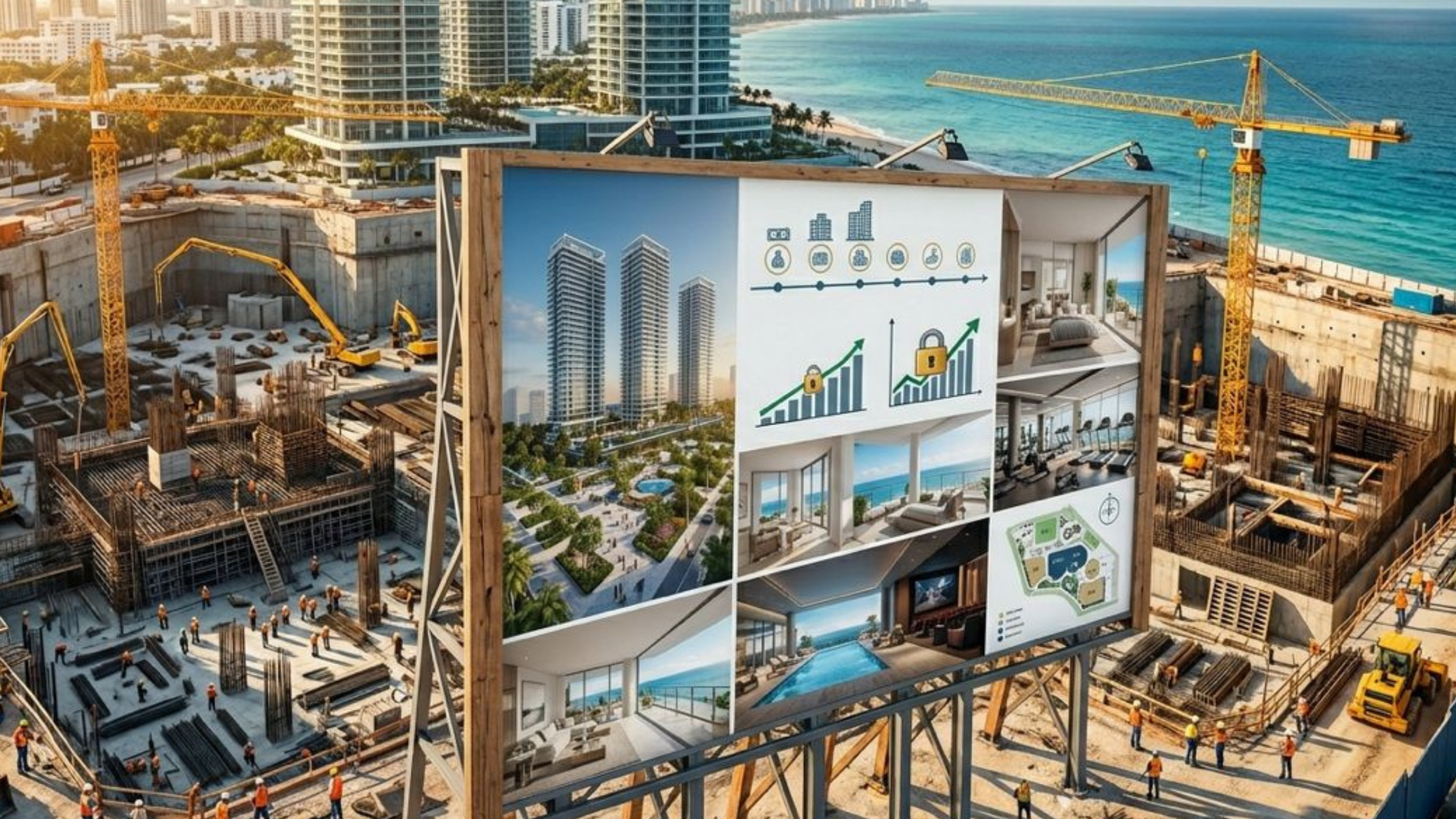
The biggest benefit of this model lies in the timing. When a project is in “Phase 0” (the initial launch phase), developers offer the lowest prices on the market to fund the start of construction.
As the building transitions from paper to concrete, the property’s value naturally rises. Those who buy at the very beginning buy at the lowest price, securing an automatic passive gain as construction progresses. By the time of the final handover, your property is already worth significantly more than the price you locked in.
2. The Strategy of Silent Leverage
Investing here doesn’t mean pulling a massive sum of money out of your bank account overnight. The real magic is leverage.
You freeze the total price of a high-value asset while investing only smaller, fractional amounts over time (the down payment). You are controlling an expensive property and earning returns on its total value, but paying it off through a highly flexible payment scheme.
3. The Danger of Waiting Too Long
In the world of real estate, indecision costs money. A project’s prices change drastically depending on its stage:
- Floor Plan Phase: The point of the highest discount and maximum profit.
- Excavation Phase: Prices begin to adjust upward.
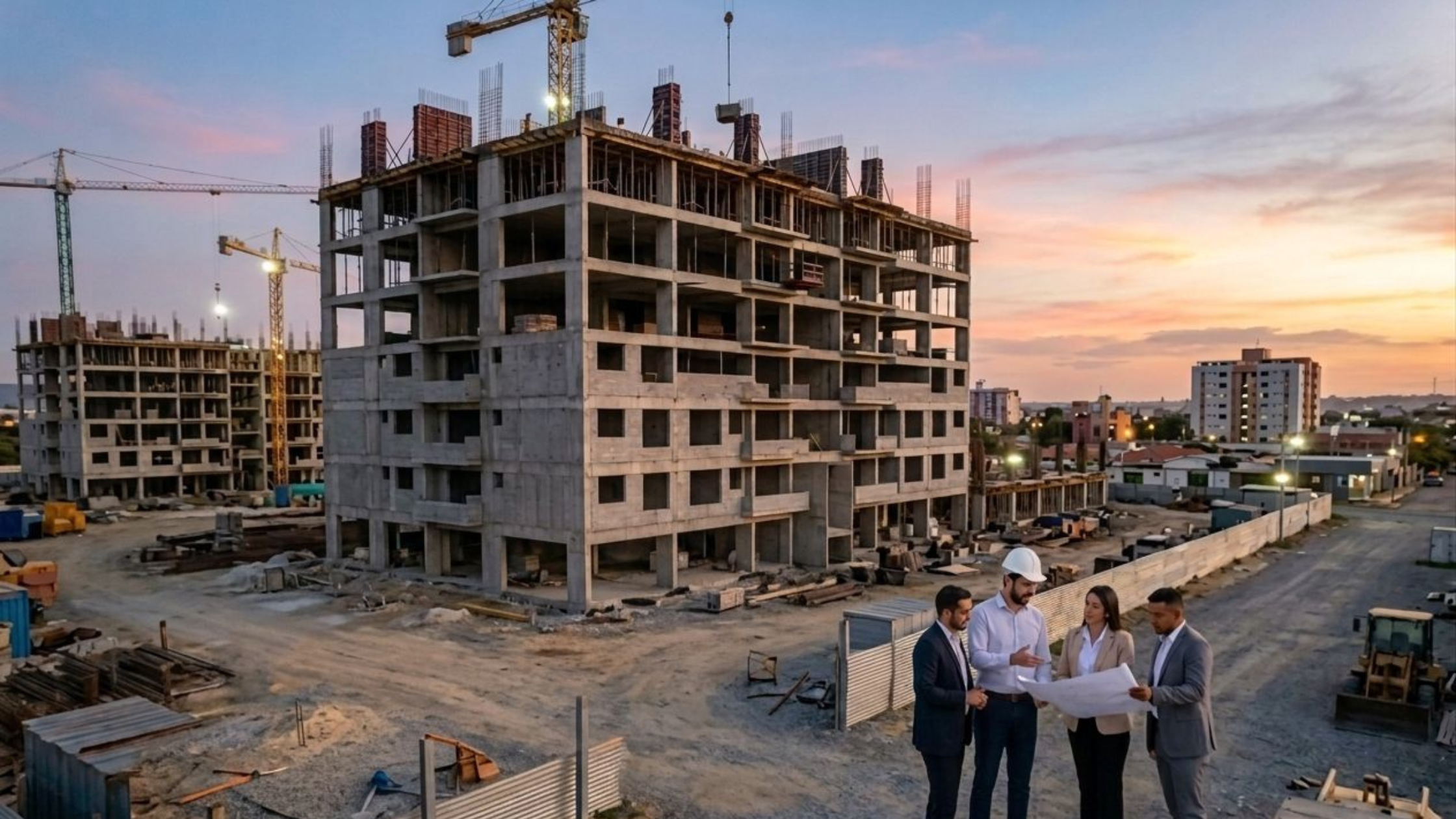
- Finished Structure: The window of opportunity for high capital appreciation closes.
Waiting to “see the building standing” before making a decision means only one thing: you are paying the profit to someone who did have the courage to buy when the project was just a blueprint.